Maintenance
What the heritage timeline records, with worked examples
A people by heritage timeline is a timeline of record layers, with worked examples from Beethoven's baptism, Shakespeare's will and Washington's two birthdays.
Ask how far back a family can be traced and the honest answer is a question about record-keeping, not about the family. The chain runs out where the documents run out, and documents appear and disappear on a schedule set by states, churches, courts, and wars.
This page is a timeline of evidence types rather than of people: what kind of record exists for a period, what it can establish, and where the wall usually falls.
What to take away
- Civil registration is recent almost everywhere, and before it the record was kept by whoever had a reason to keep it.
- Every record exists because somebody wanted something recorded, and that motive shapes what it says.
- The wall is not a date, it is the point where record types stop naming relationships.
- A record can be perfectly genuine and still not support the claim someone wants from it.
Layers of the record, roughly newest first
Layers of the record
| Layer | Typical content | What it can establish |
|---|---|---|
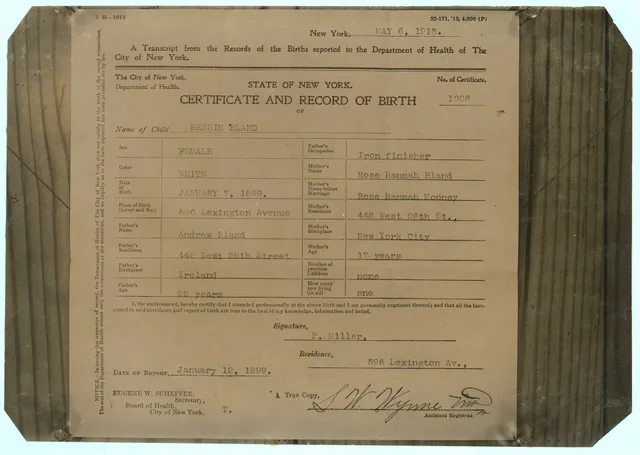
| Civil registration | Births, marriages, deaths registered by the state | Events, and relationships the form asked about |
| Census and household returns | Households on a reference date | Who was recorded together, once |
| Institutional records | Schools, employers, unions, licensing bodies | Presence, membership, and dates |
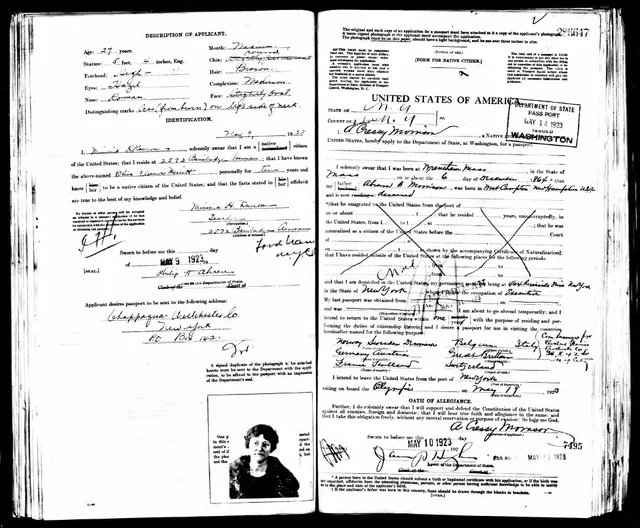
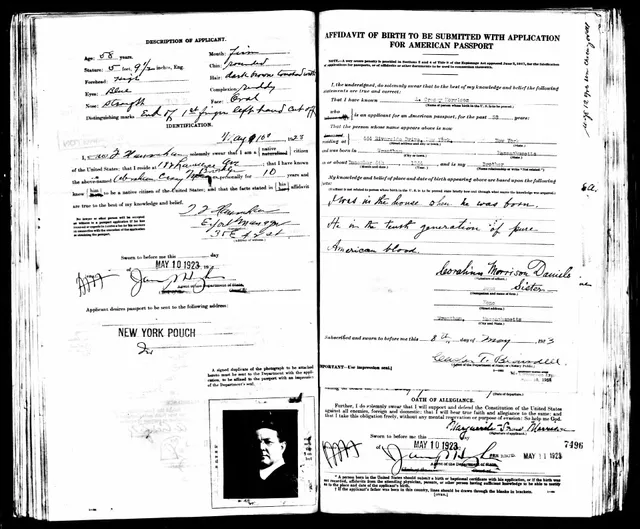
| Migration and citizenship | Arrivals, departures, naturalization | Movement, and stated origin at that moment |
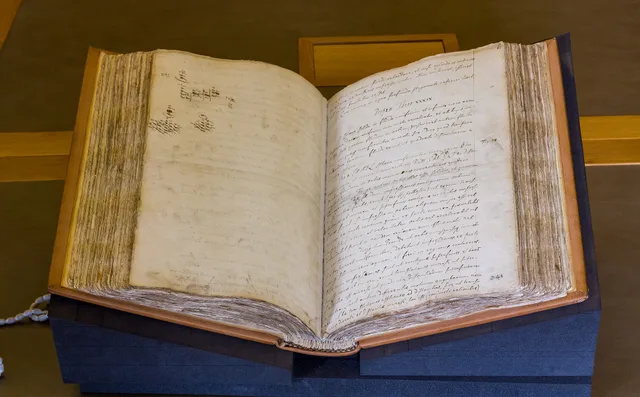
| Religious registers | Baptisms, marriages, burials | Rites performed, and often a parental relationship |
| Land and probate | Transfers, wills, inventories | Relationships stated for a reason: property |
| Court and manorial | Disputes, tenure, obligations | Relationships as claimed by a party |
Probate is the layer researchers underuse. A will names relationships because money depends on naming them correctly, which makes it unusually reliable about who was related to whom, and unusually specific about who was not. A will that names heirs is one kind of people by heritage facts, but it only covers the property holders a court bothered to record.
Record layers and what they establish
Layer
- Civil registration
- Events, asked relationships
- Census
- Who was recorded together
- Institutional
- Presence, membership, dates
- Migration
- Movement, stated origin
- Religious registers
- Rites, parental relationship
- Land and probate
- Relationships for property
- Court and manorial
- Relationships as claimed
What it can establish
- Civil registration
- Census
- Institutional
- Migration
- Religious registers
- Land and probate
- Court and manorial
Why the layers begin and end where they do
Civil registration starts when a state decides it needs the data, and compliance trails the law by years. Religious registers start when an institution requires them and end when it stops or the building burns.
Migration records exist in the volume they do because states wanted control over movement. That is also why they record a stated origin rather than a researched one.
Two consequences follow. First, whether a record type exists tells you about the state or institution, not about the population. Second, the questions on a form are the questions somebody needed answered, so a form will be silent about anything the recording body did not care about.
That same silence shapes a people by heritage list, where the roll-up rule decides which names ever reach the published category.
The national record agencies, such as the US National Archives and Records Administration and The National Archives of the United Kingdom, organize their finding aids along exactly these lines, from vital records through to land records, and reading the introduction to a series is faster than searching it blindly.
When the layers begin: England and Wales and the United States
Two jurisdictions show how far apart the start dates fall.
| Layer | England and Wales | United States |
|---|---|---|
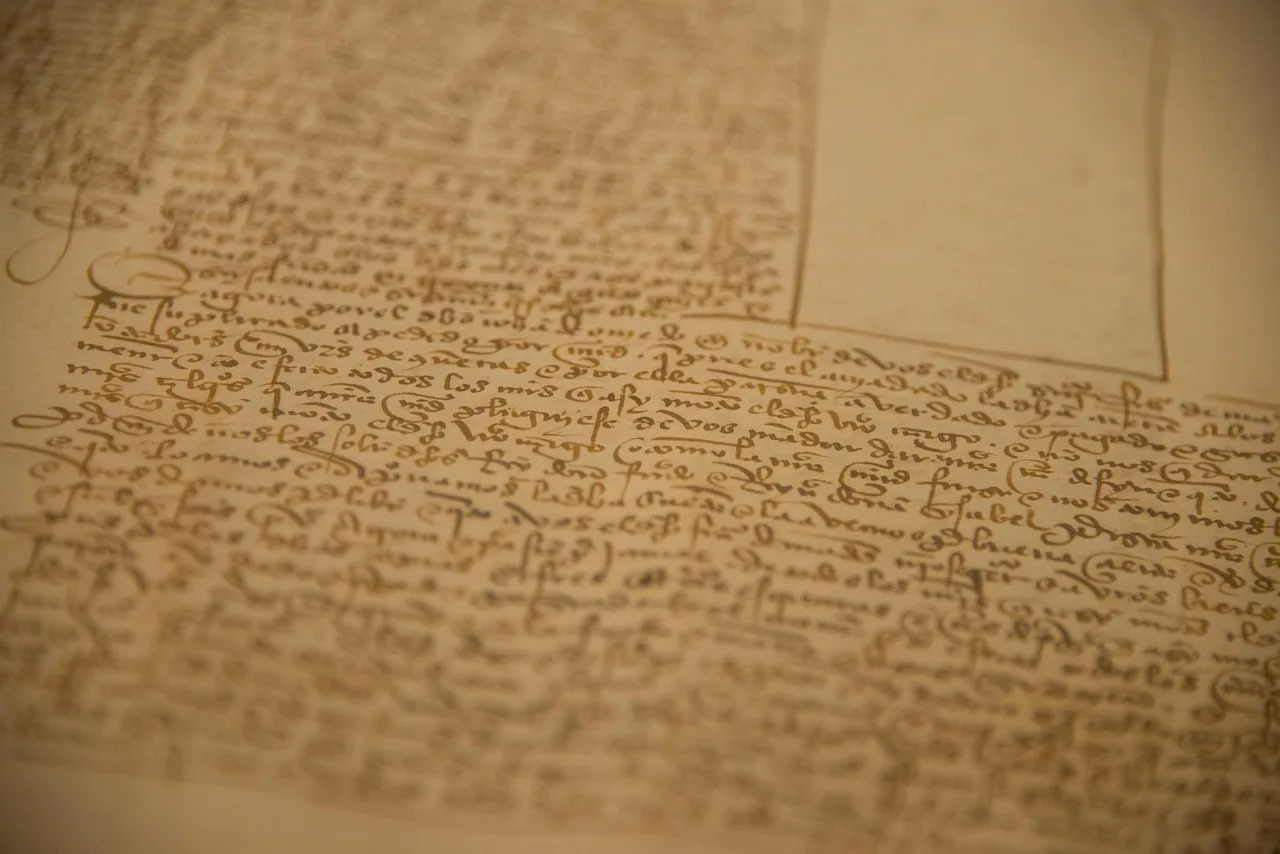
| Religious registers | Parish registers ordered from 1538 | Kept by each congregation, from the colonial period |
| Census naming individuals | 1841, then every ten years | Federal census from 1790; every household member named from 1850 |
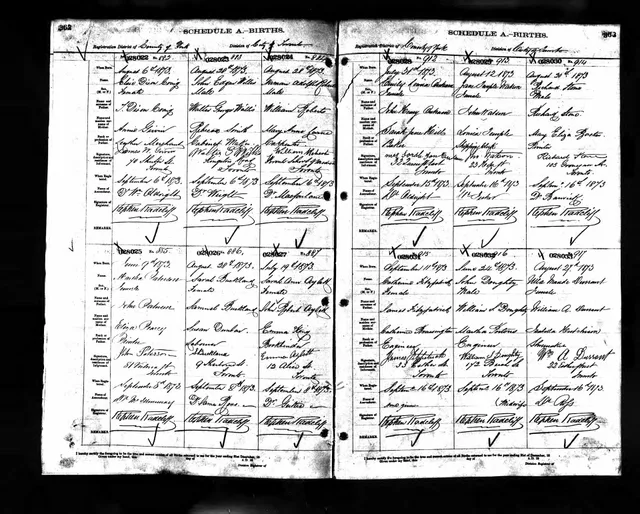
| Civil registration | From 1837, General Register Office | Set by each state; statewide in Massachusetts from 1841, much later in many states |
| Probate | Church courts until 1858, then civil probate courts | County probate courts |
| Main losses | Scattered parish losses | The 1890 federal census, almost entirely destroyed by fire |
The gap matters for famous figures as much as for anyone. A person born in London in 1840 has a civil birth entry; a person born in Kentucky in 1840 almost certainly does not, and the timeline for that life starts from a church register, a census or a family record instead.
Where the wall falls
For most lines the wall is the point where surviving records stop stating relationships. Before that point people appear in documents as parties to a transaction, taxpayers, or tenants, and the documents do not say whose child anyone was.
At that boundary, state an honest stopping point: the last documented link, the series searched beyond it, and what a future find would need to look like. Do not bridge the gap with a surname.
A name that looks distinctive today may have been common in that place and period. Naming conventions were regional, so a surname rarely narrows a search as much as it appears to.
Dating the layers correctly
Dates in older layers need special care because calendars changed at different times in different jurisdictions. A document from a transition period can carry two year numbers, so Old Style and New Style dates are recorded with both.
Handling old-style dates safely
- Record the date exactly as written
- Note the calendar in use
- Store converted date separately
- Never convert in place
Regnal years, feast days, and civil years starting on days other than January 1 all appear in the same layers.
Record the date exactly as written, then store your converted date separately. Converting in place, once, quietly, is how a chain acquires an off-by-one-year error that nobody can later find.
Worked examples: three famous records, three layers
The layers are easiest to see in records of famous people, because those records have been read so often.
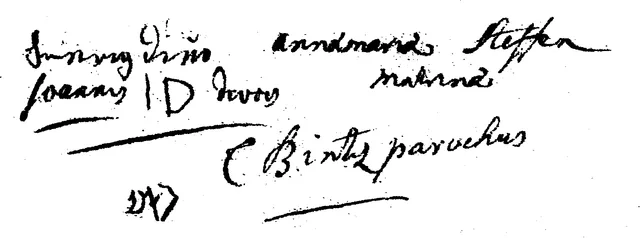
A religious register records the rite, not the birth: Ludwig van Beethoven. The Bonn parish register records his baptism on 17 December 1770. No document records the day he was born, so the birthday often given for him is an inference from the baptism date, not a recorded fact. The register establishes a rite performed and his parents' names; it does not establish a birth date.
A probate record names relationships because property depends on them: William Shakespeare. His will, proved in 1616, names his daughters Susanna and Judith and leaves his wife Anne his "second best bed". It states family relationships in the testator's own words, which is exactly what the land and probate layer is good for, and it says nothing about anyone who held no claim on the estate.
A calendar change gives one birth two dates: George Washington. He was born in Westmoreland County, Virginia, on 11 February 1731 by the Old Style calendar then used in Britain's colonies. After Britain's Calendar Act moved Britain and its colonies to the New Style calendar in 1752, the same day is written 22 February 1732. Both dates describe one event; a timeline that stores only one of them, without saying which calendar, has already lost information.
Each example ends at a different wall: the missing birth entry, the relatives the will had no reason to name, and the calendar the clerk used. That is the people by heritage timeline in practice.
What this timeline is not for
It is not a route to a living person's ancestry, ethnicity, nationality, or religion. The record layers above establish events and relationships, and those are not the same categories: an event has a document, an identity does not.
The reasoning is on the heritage pillar, and for period-boundary problems, see the century pillar. For jurisdiction problems, see the country pillar and the US state pillar.
Common questions
Which layer should I start with?
The most recent one that can name a relationship, and work backward one link at a time. Starting from a distant name and working forward is how unrelated families get joined.
Is an online index enough to say a record does not exist?
No. An index covers what was indexed, in the spellings the indexer used. Check the archive's own scope note for the series and period before concluding anything.
Do the layers look the same outside the country I am researching?
The order is broadly similar and the dates are not. Registration start dates, record survival, and access rules vary by jurisdiction, sometimes between neighboring ones.
How far back is realistic?
There is no general answer, and anyone offering one is selling something. It depends entirely on which record layers survive for the specific places involved.