Guides
Part of How to walk a historical figures citation chain back to its source
Historical figures by country compared: coverage and gaps
Historical figures by country: where the records of vanished states are held, what a country field should store, and why nationality is not one thing.
Assigning a country to someone who died before the country existed is the most common error in historical reference work. It is usually invisible, because the modern name is the one the reader recognizes.
This guide is about searching for people in polities that no longer exist: where their records went, what the country field should hold, and how to write the sentence honestly.
What to take away
- The record stayed where it was filed, which is often not the state that governs the territory now.
- A country field should hold the polity as it stood on the record date, with the modern unit derived separately.
- Successor states divided archives by agreement, and the agreements are documented.
- Nationality as a legal status is recent; before it, membership was defined by other things entirely.
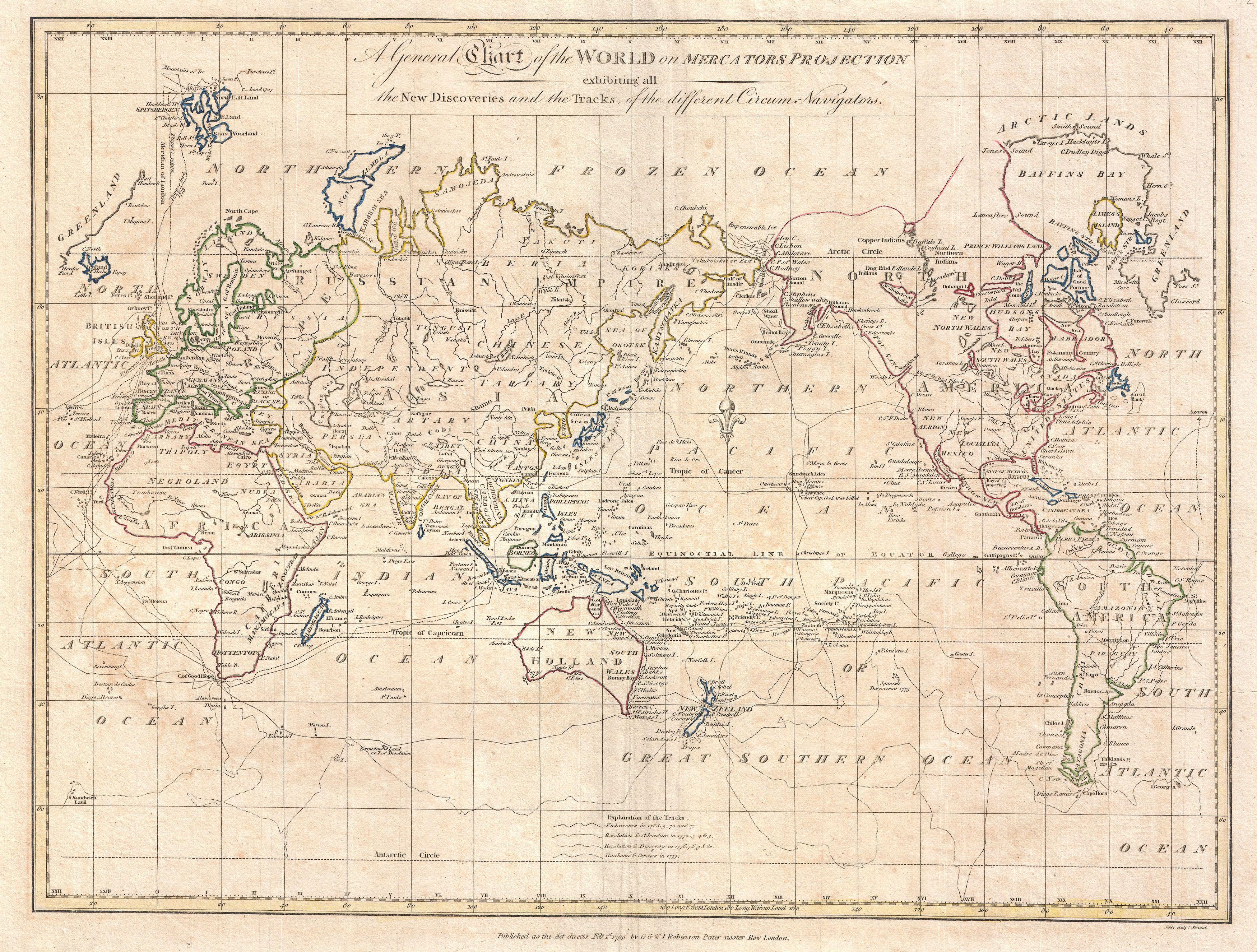
The map above is not a picture of the world. It is a picture of what one publisher in one country believed and could sell in one year. Every historical country field carries the same kind of limitation.
Where the records actually are
| Situation | Where to look first |
|---|---|
| Territory changed hands | The archive of the state that governed on the record date |
| A state dissolved | The successor archives, divided by treaty or agreement |
| An empire's central administration | The metropolitan archive, not the former territory |
| A church kept the register | The diocesan or congregational archive, which may cross borders |
| Emigration ended the trail | The receiving state's arrival and citizenship records |
Records follow the office that created them far more reliably than they follow modern borders. A file created by a provincial administration usually stayed with the successor to that administration, even where the population moved. A people by country by year series breaks at the same points, because each succession redrew the reporting unit.
Receiving states are the underused half of this. Arrival and citizenship files record an origin as stated at the time, and national agencies describe those series directly, from immigrant records to the genealogy holdings of citizenship agencies such as the USCIS genealogy program. The origin they record is what the person or the clerk wrote down that day, which is evidence about the statement rather than a verified fact.
What the country field should hold
Three values, not one.
- The polity as named on the record, in the record's own words.
- The date, so the polity can be checked against that date.
- The modern administrative unit, derived and clearly labeled as derived.
Keep the first permanently. Deriving the third is cheap and can be redone when boundaries change again; recovering the first after it has been overwritten is usually impossible.
Nationality is not one thing over time
Legal nationality as we use it now, a status conferred by a state and documented, is a comparatively recent arrangement. Earlier, membership was defined by subjecthood, by residence, by a corporate body such as a city or a guild, or by religious community. Those categories are not interchangeable, and none translates cleanly into a modern passport.
So a sentence like "she was French" can mean at least four things depending on the century. Only one of them is a legal status. Write the specific one: born in a place, a subject of a ruler, a citizen of a city, or a member of a body.
Doing this makes the sentence longer and stops it being wrong, which is a trade worth taking. Applying today's categories to earlier periods is the everyday form of anachronism, and it is unusually easy to commit in a country column.
What this does not license
None of it supports a statement about a living person's nationality, ancestry, religion, or birthplace, and none of it supports counting historical figures by origin to compare places. The first is covered on the heritage pillar; the second on the fame rankings pillar. What remains is the useful part: knowing which archive holds the file, and what the file can be made to say.
For the search methods behind that, see the historical figures pillar; for the modern jurisdiction fields, the country pillar and the US state pillar.
Common questions
Which country should a catalog show for someone born in a territory that later became two states?
The polity on the date, as the primary value. Show the modern unit as a secondary field, and expect the mapping to be genuinely ambiguous in border regions.
Is it wrong to use a modern name for clarity?
Not if it is labeled. "Born in a town now in X" is accurate. "Born in X" is a claim about a state that may not have existed.
How do I find where a dissolved state's archives went?
Start from the successor states' national archives, which usually publish their holdings and the agreements that divided them. Church and municipal archives often kept their own material regardless.
What if the sources disagree about which country to assign?
They usually disagree because they are answering different questions: place of birth, allegiance, and later citizenship. Record each separately and the disagreement mostly dissolves.