Rules
Part of People by US state: what to keep and what to drop
Five different senses of being from a place shape people by US state facts
People by US state facts: five senses of being from a state, what vital and census records actually establish, and why a living person's is left blank.
Saying someone is "from" a state sounds like the least contestable line in a profile. It is a compressed claim about a document, and the document usually says something narrower than the sentence does.
What follows is the set of distinctions that decide whether a state attribution holds up.
What to take away
- Born in the statean event recorded at a specific address on a specific date.
- Vital registration in the United States is a state and local function.
- A state's claim on a person is a marketing decision.
"From" means five different things
- Born inthe state: an event recorded at a specific address on a specific date.
- Raised inthe state: a stretch of childhood, usually undocumented as such.
- Resident ofthe state: a status with a start and an end, and legal definitions that vary by purpose.
- Worked inthe state: where the career happened, which may be none of the above.
- Died inthe state: another single recorded event, and the one most likely to reflect where a hospital was.
Reference works pick one and print it without a qualifier. Readers assume a different one. Most disputes about whether someone is "from" a place are two people using different entries on this list, and the same collapse happens one level up on the country pillar.
Five Senses of Being From a State
Born in
- What it is
- Recorded event
- Documented?
- Yes
- Dates
- Single date
- Likely record
- Birth certificate
Raised in
- What it is
- Childhood stretch
- Documented?
- Usually not
- Dates
- Period
- Likely record
- None
Resident of
- What it is
- Legal status
- Documented?
- Varies
- Dates
- Start and end
- Likely record
- Census
Worked in
- What it is
- Career location
- Documented?
- Sometimes
- Dates
- Period
- Likely record
- Employment
One worked example: Abraham Lincoln was born in Kentucky, raised in Indiana from age seven, and built his legal and political career in Illinois. A single cell labelled "from" cannot hold all three, and each of the three rests on a different kind of document.
What the documents establish
Vital registration in the United States is a state and local function. Births are registered by the state or county; the federal role is compiling statistics from what the states supply. There is no national birth register to check against, which is why federal guidance on vital records routes researchers back to the state that registered the event.
Statewide registration began at different times in different states, and in many places compliance was incomplete for years after the law took effect. Absence of a birth record in an early period is weak evidence about a birth.
Massachusetts began statewide registration in 1841, New Jersey in 1848, and Illinois not until 1916. The start date and the coverage history for any state are published by that state's vital records office and its state archives.
A delayed birth certificate is dated when it was filed, not when the birth happened. People registered late in life to obtain a passport, a pension, or a benefit, and the supporting evidence was often an affidavit or a family record rather than a contemporaneous document.
Access to a record is not the same as the existence of a record. States restrict who may obtain a birth certificate and for how long. A record you cannot get is not a record that does not exist.
Adoption can produce an amended certificate, with the original placed under seal in many jurisdictions. The amended document is a legal record of parentage, not a research finding about origins, and it is not material for a public profile.
Where a birth is recorded is where it occurred, which in the modern period usually means a hospital. Families in border areas routinely use the nearest facility across a state line, so a person can be born in a state their family never lived in.
Some people have no state of birth at all. Births in the District of Columbia and in the US territories are not births in a state, a distinction the city pillar meets from the municipal side.
Births abroad to US citizen parents are documented by a consular report rather than by a state, and the document names a foreign country.
Statehood has a date. A birth in a place before that place was admitted as a state happened in a territory. Whether a catalog records the territory or the modern state is a convention, and the convention is often inconsistent within one dataset. The state timeline page covers this.
County boundaries and names changed, so the county on an old record may not be the county that holds it now. Records generally stay where they were filed, which means searching the parent county rather than the modern one.
County record losses are common and documented. Courthouse fires and floods destroyed whole series in specific counties. State archives publish what survives; check the loss before concluding anything from a gap.
What is not evidence
- A state's claim on a person is a marketing decision.Tourism boards, halls of fame, license-plate slogans, and "famous residents" pages apply loose standards, sometimes a few months of residence, sometimes a family connection. Cite them as claims by that body, not as facts about the person.
- A school, a team, or a first job establishes presence, not origin.It puts someone in a place at a time, which is useful, and nothing more.
- An encyclopedia birthplace field often holds the nearest recognizable city,because a village name is unhelpful to readers. Follow the field to its cited source before treating it as precise.
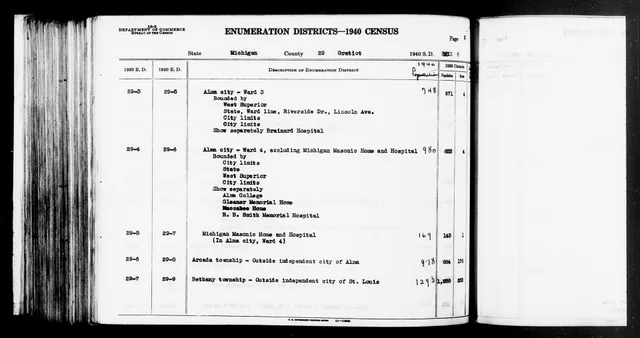
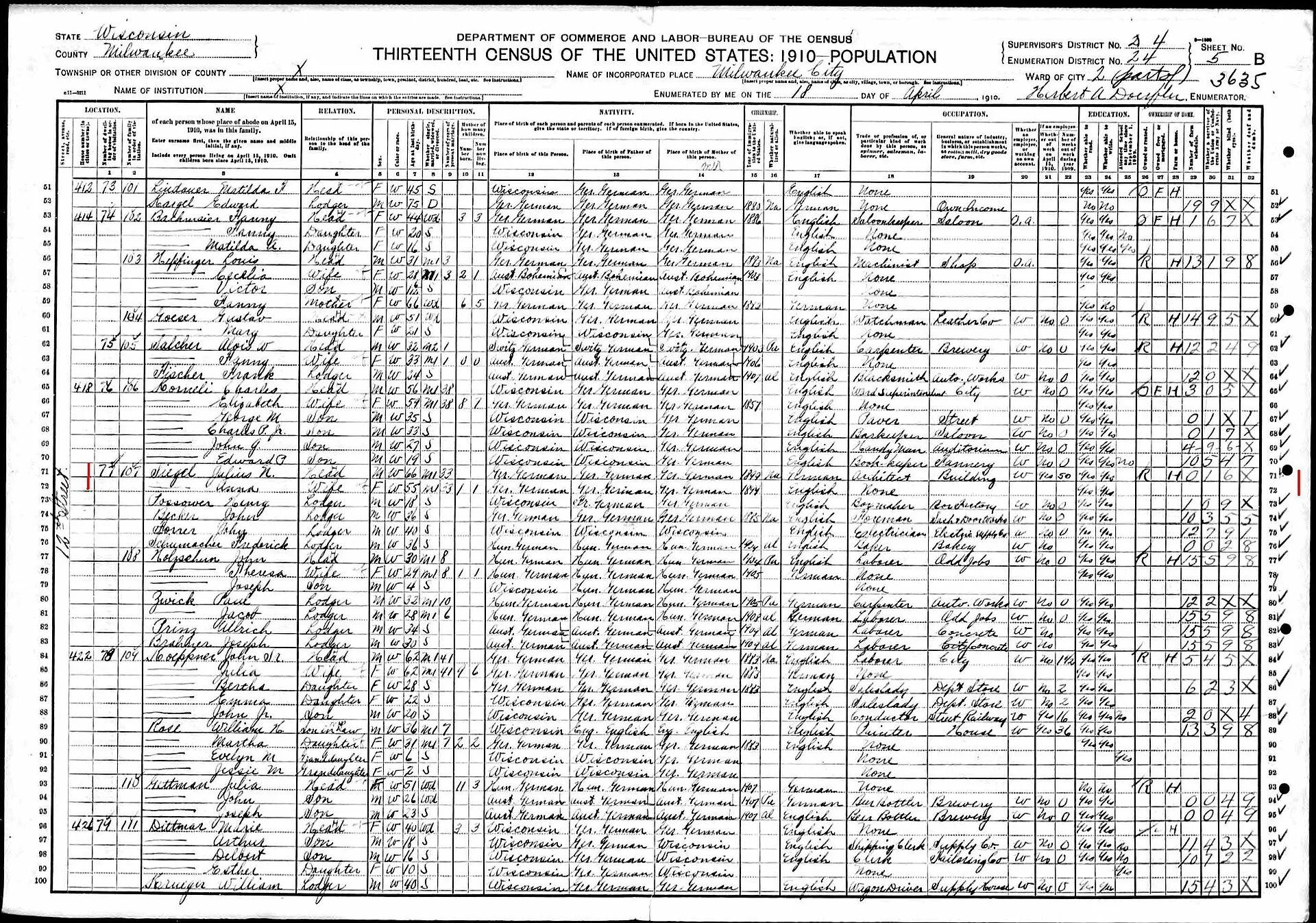
- A census entry is a snapshot on a reference date.State of residence in a census year says where a household was recorded that year, and the holding agency's own guide to census records sets out what each round asked. It does not describe the years on either side.
- A surname, an accent, or a family story is a lead.It tells you which records to search. It is not a finding, and it must not be published as one, for the reasons set out on the heritage pillar.
Living people
Do not publish a living person's birthplace, home state, or current residence unless they have stated it publicly, and even then, attribute it and date it. Precise residential information should not appear at all.
A person's own account of where they are from is the record. A database entry is a copy of a copy, and being confidently wrong about it is a cost the subject pays rather than the publisher.
Recording it so it stays true
Field / What it records
- Born in
- The state on the birth record
- Raised in
- The state or states of childhood, with dates if known
- Resident of
- The state and period, with the legal purpose if relevant
- Worked in
- The state where the career activity occurred
- Died in
- The state on the death record
- Source
- The document that supports each row
Fields for a State Attribution
- Basisborn, raised, resident, worked, or died
- Placemunicipality and county, source spelling
- Jurisdictionstate as it stood on that date
- Datesstart and end, not a single point
- Documentrecord type and where it is held
- Confidenceestablished, probable, or unresolved
Written this way, a person who was born in one state, raised in a second, and known for work in a third gets three accurate rows instead of one contested cell, and every row names the document that supports it.
Bottom line
Almost every error in state attribution comes from collapsing five different relationships into one word and dropping the document that supported it. Keep the basis, keep the date, keep the source, and let a life touch more than one state. See the state pillar.
Common questions
Which of the five senses of "from" should a short biography use?
Whichever one the source establishes, named in the sentence. "Born in" and "raised in" are two different claims and a reader cannot tell which you meant unless you say.
A reference work gives a birthplace with no source. Can I repeat it?
Repeat it as that work's entry, attributed, rather than as a fact. Encyclopedia birthplace fields frequently hold the nearest recognizable city rather than the recorded place.
How do I record a birth that happened just across a state line?
As the place on the record, with the state that governed it on that date. Note the family's residence separately if you have it, because those are two different rows.
Is a hall of fame or tourism listing usable evidence?
Only as a claim by that body. Their standards for calling someone a local vary and are usually unpublished.